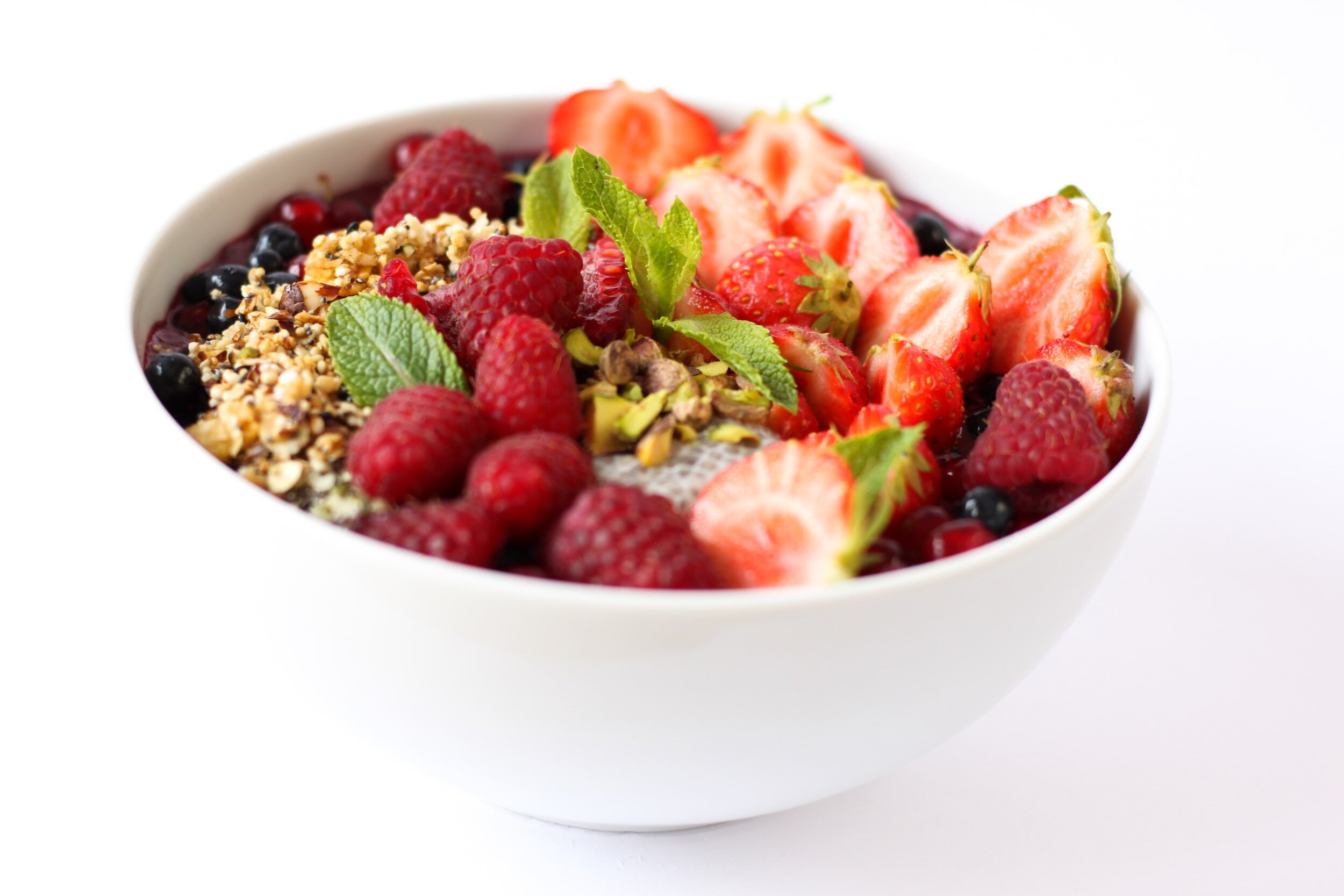
brooke-lark-nTZOILVZuOg-unsplash.jpg

thrive blog

tips, recipes and info to help you live healthier

healthy eating, Holistic Nutrition, Nutrition Stephanie Metzger healthy eating, Holistic Nutrition, Nutrition Stephanie Metzger

How to Stay Healthy and Focused on Your Goals During the Holiday Season (Without Missing Out on the Fun!)

The holiday season is a time of joy, connection, and celebration — but it can also feel like a minefield for anyone trying to stay committed to their health goals. Between the endless parties, rich foods, late nights, and festive drinks, it’s easy to feel like all your progress goes out the window by New Year’s Day.

But here’s the truth: you can enjoy the holidays and stay healthy. The key is balance, mindfulness, and a little preparation. Let’s explore some realistic, holistic ways to stay on track — and actually enjoy this special time of year.

The holiday season is a time of joy, connection, and celebration — but it can also feel like a minefield for anyone trying to stay committed to their health goals. Between the endless parties, rich foods, late nights, and festive drinks, it’s easy to feel like all your progress goes out the window by New Year’s Day.

But here’s the truth: you can enjoy the holidays and stay healthy. The key is balance, mindfulness, and a little preparation. Let’s explore some realistic, holistic ways to stay on track — and actually enjoy this special time of year.

1.  Shift Your Mindset: Progress, Not Perfection

The holidays aren’t about rigid rules or deprivation — they’re about connection, gratitude, and joy. When you allow yourself to enjoy a few treats mindfully, you’ll avoid the all-or-nothing thinking that often leads to guilt or overindulgence.


Tip: Before heading into a party or family dinner, remind yourself: “I choose what nourishes my body and my soul.” That includes both the salad and the shortbread cookie if that’s what brings you joy.

2. Anchor Your Day with Whole, Nourishing Foods

You can absolutely enjoy festive foods, but start each day with a foundation of nourishment. Think of every meal as an opportunity to give your body what it truly needs: protein, fibre, healthy fats, and hydration.

Try this:

  • Begin your day with a smoothie packed with greens, berries, chia seeds, and a good protein source.

  • Have a balanced meal before going out — it’ll stabilize your blood sugar and reduce cravings later.

  • Stay hydrated! Sometimes that “hunger” at the buffet is really thirst in disguise.

3. Keep a Routine (But Make It Flexible)

The holidays can throw off our schedules, but maintaining a few simple habits helps your body stay grounded.

Holistic habits to maintain:

  • Morning rituals: A few deep breaths, journaling, or lemon water before your day begins.

  • Movement: Even a 20-minute walk or quick stretch counts — consistency matters more than perfection.

  • Sleep: Prioritize rest whenever you can. Your energy, mood, and digestion will thank you.

4. Mindful Indulgence: Savour the Treats

You don’t have to say “no” to everything. Instead, choose what’s worth it to you and enjoy it fully.

Practice mindful eating:

  • Slow down and really taste your food — notice the textures, smells, and flavours.

  • Put your fork down between bites.

  • Stop when you feel comfortably satisfied, not stuffed.

When you eat with awareness, you’re more likely to feel content and less likely to overdo it.

5. Be Smart About Holiday Drinks

It’s easy for calories (and sugar) to sneak in through cocktails and festive beverages. Alternate alcoholic drinks with water or sparkling water with lime. You’ll stay hydrated and avoid the energy crash later.

Healthy swaps:

  • Mulled wine made with less sugar

  • Kombucha mocktails

  • Vodka soda with citrus

  • Herbal teas for cozy evenings in

6. Set Intentions, Not Restrictions

Rather than saying, “I won’t eat sugar,” try “I’ll nourish my body with wholesome foods most of the time.”

Intentions feel empowering and sustainable — restrictions feel punishing.

Examples of healthy holiday intentions:

  • “I’ll move my body every day in a way that feels good.”

  • “I’ll focus on connection and gratitude rather than stress.”

  • “I’ll enjoy my favorite holiday treats mindfully and guilt-free.”

7.  Support Your Mind and Body with Self-Care

Stress can take a toll on your health faster than a slice of pie ever could. Take time to rest, reset, and breathe.

Self-care ideas:

  • A warm bath with Epsom salts

  • A walk in nature

  • A digital detox day

  • Journaling what you’re grateful for

  • Saying “no” when you need to protect your peace

Remember: Health Is About Harmony

The holidays come once a year — they’re meant to be enjoyed. When you approach this season with balance, intention, and self-compassion, you’ll find that you can celebrate and stay aligned with your goals.

Let yourself laugh, rest, indulge, and nourish. You deserve it.

Learn More About Thrive's Nutrition Servcies
Read More
Nutrition, health, healthy eating, Holistic Nutrition Stephanie Metzger Nutrition, health, healthy eating, Holistic Nutrition Stephanie Metzger

Thriving Through the Time Change: How to Boost Your Mood, Energy, and Routine During the Darker Months

As the clocks fall back and the days grow shorter, many of us feel the shift — physically, mentally, and emotionally. The darker mornings and early sunsets can disrupt our sleep, appetite, and motivation. It’s no wonder that this time of year can bring on sluggishness, mood dips, and even symptoms of seasonal affective disorder.

But here’s the good news: with a little awareness and intention, you can support your body and mind naturally through this transition. Here’s how to boost your mood, stay energized, and keep your routine — even when the sun seems to vanish too soon.

As the clocks fall back and the days grow shorter, many of us feel the shift — physically, mentally, and emotionally. The darker mornings and early sunsets can disrupt our sleep, appetite, and motivation. It’s no wonder that this time of year can bring on sluggishness, mood dips, and even symptoms of seasonal affective disorder.

But here’s the good news: with a little awareness and intention, you can support your body and mind naturally through this transition. Here’s how to boost your mood, stay energized, and keep your routine — even when the sun seems to vanish too soon.


1. Honour Your Body’s Natural Rhythm

The time change can throw off your circadian rhythm — your body’s internal clock. To help it readjust:

  • Stick to consistent sleep and wake times. Even on weekends. Routine helps your hormones (especially melatonin and cortisol) rebalance.

  • Get light early in the day. Step outside within 30–60 minutes of waking. Morning light exposure signals your brain to wake up, boosts serotonin, and helps regulate melatonin production for better sleep at night.

  • Dim lights at night. Reduce screens and bright lighting at least an hour before bed. Try amber light or candles for a cozy evening wind-down.

2. Move — Even When You Don’t Feel Like It

Shorter days often mean less activity, which can feed into low energy and mood dips. Movement is one of the most powerful natural antidepressants.

  • Aim for 20–30 minutes of movement daily. It doesn’t have to be intense — walking, stretching, dancing in your kitchen, or gentle yoga all count.

  • Get outdoors when possible. Even on cloudy days, natural light exposure boosts mood-regulating neurotransmitters like serotonin and dopamine.

  • Try rhythmic movement. Walking, cycling, and swimming have a meditative quality that helps calm the nervous system.

3. Nourish Your Energy and Mood with Food

Your diet can deeply influence how you feel during the darker months. Focus on foods that stabilize blood sugar, support brain chemistry, and nourish your nervous system.

Key nutrients and foods to include:

  • Omega-3 fats: Found in salmon, sardines, chia, flax, and walnuts — essential for mood and brain health.

  • Vitamin D: Often low in winter; consider a supplement and include D-rich foods like fortified plant milks, eggs, and mushrooms exposed to sunlight.

  • Complex carbs: Sweet potatoes, oats, quinoa, and lentils help support serotonin production and keep energy steady.

  • Magnesium-rich foods: Leafy greens, pumpkin seeds, almonds, and avocado help calm the nervous system and improve sleep.

  • B vitamins: Found in whole grains, legumes, eggs, and nutritional yeast — vital for energy and stress resilience.

  • Dark chocolate (in moderation): Contains magnesium and mood-boosting compounds that increase serotonin.

Limit: excess caffeine, refined sugar, and alcohol — they can worsen fatigue, mood swings, and sleep disruption.

4. Support Your Mental Health Holistically

  • Try light therapy. A full-spectrum lightbox used for 20–30 minutes in the morning can help offset lack of sunlight and improve mood and energy.

  • Practice mindfulness and gratitude. Journaling, meditation, or simply noticing something beautiful each day keeps your mindset grounded and positive.

  • Stay connected. Isolation can intensify the winter blues. Plan coffee dates, phone calls, or group classes to keep social energy flowing.

  • Nurture warmth and comfort. Think cozy blankets, warm herbal teas (like chamomile or lemon balm), and nourishing soups. Create a home environment that feels like a sanctuary.

5. Embrace the Season: Fun Winter Activities to Lift Your Spirits

Winter doesn’t have to be a season of hibernation — it can be full of play, creativity, and connection. Engaging in activities you enjoy helps release endorphins, reduce stress, and add meaning to the shorter days.

Outdoor ideas:

  • Go for brisk winter walks or hikes — bundle up and enjoy the crisp air and quiet beauty of nature.

  • Try ice skating, snowshoeing, or cross-country skiing — great low-impact workouts that boost circulation and mood.

  • Host a bonfire night or outdoor hot cocoa gathering with friends.

  • Visit a local holiday market or tree lighting event to soak up festive energy.

  • Take morning walks to catch daylight — even 15 minutes can make a difference.

  • Try forest bathing (mindful time in nature) to calm your mind and reconnect with the season’s stillness.

Indoor ideas:

  • Cook or bake nourishing seasonal recipes — soups, stews, roasted veggies, herbal teas, or homemade granola.

  • Try a new creative hobby: painting, journaling, pottery, knitting, or photography.

  • Host a cozy night in with candles, board games, and good company.

  • Join a movement class — yoga, dance, or Pilates can keep your body active and endorphins flowing.

  • Plan themed movie nights or winter book clubs to make evenings feel special.

  • Declutter and reset your home — freshening up your space can be surprisingly energizing.

6. Create Winter-Friendly Routines

  • Set intentions, not expectations. Instead of pushing yourself, create gentle structure: morning sunlight, nourishing meals, movement, rest.

  • Embrace seasonal rhythms. Winter invites slowing down, introspection, and grounding. Let yourself rest more — it’s nature’s design.

  • Plan small joys. Winter walks, candlelit dinners, creative hobbies, or cooking nourishing seasonal meals can all spark comfort and pleasure.

Final Thoughts

Winter doesn’t have to feel heavy. With mindful nutrition, daily light, movement, and nurturing routines, you can thrive — not just survive — the darker months. Think of this season as an invitation to slow down, replenish, and reconnect with yourself.

Your body and mind are incredibly adaptable — give them what they need, and they’ll support you beautifully through every season.

BOOK A FREE 20 MINUTE NUTRITION CONSULT
Read More
Health, healthy eating, Holistic Nutrition, Nutrition Stephanie Metzger Health, healthy eating, Holistic Nutrition, Nutrition Stephanie Metzger

Healthy Fats vs. Unhealthy Fats: What You Need to Know for Vibrant Health

When it comes to nutrition, fats often get a bad reputation—but the truth is, not all fats are created equal. In fact, your body needs certain fats to function optimally. The key is understanding the difference between healthy fats and unhealthy fats, and how to incorporate the right types into your daily meals for lasting energy, hormonal balance, brain health, and a strong immune system.

When it comes to nutrition, fats often get a bad reputation—but the truth is, not all fats are created equal. In fact, your body needs certain fats to function optimally. The key is understanding the difference between healthy fats and unhealthy fats, and how to incorporate the right types into your daily meals for lasting energy, hormonal balance, brain health, and a strong immune system.

What Are Healthy Fats?

Healthy fats, also known as unsaturated fats, are primarily found in plant-based foods and some fish. These fats are divided into:

Monounsaturated Fats

  • Help reduce bad cholesterol (LDL) levels and increase HDL (good cholesterol), support heart health, stabilize blood sugars, and keep you full and satisfied. Monounsaturated fats may also have anti-inflammatory properties.

  • Liquid at room temperature, solidify when chilled

  • These can be found in foods such as avocados, olive oil, nuts (almonds, cashews, peanuts), natural peanut butter, seeds (sesame, pumpkin), safflower and sunflower oil.

 Polyunsaturated Fats

These include omega-3 and omega-6 fatty acids.

Omega 3:

  • These fats can help reduce inflammation, supports brain, heart and eye health and may reduce the risk of depression and autoimmune diseases.

  • Types:

    • ALA (Alpha-linolenic acid) – plant based, needs to convert to EPA/DHA

    • EPA (Eicosapentaenoic acid) – anti-inflammatory, cardiovascular health

    • DHA (Docosahexaenoic acid) – brain and eye development

  • These can be found in fatty fish (salmon, sardines, mackerel, etc.), flaxseeds, chia seeds, hemp hearts, and walnuts.

Omega 6:

  • These fats can help support skin health, hair growth, and metabolism (in moderation)

  • In excess, especially without enough omega, 3, these fats can promote inflammation in the body. Aim for a balanced omega-6: omega-3 ratio (ideally around 4:1 or lower)

  • Types:

    • LA (Linoleic acid) – essential, must be obtained from the diet

    • AA (Arachidonic acid) – found in animal products, can be inflammatory

  • These can be found in vegetable oils, walnuts, pine nuts, cashews, almonds, sunflower seeds, pumpkin seeds, hemp hearts, sesame seeds, safflower/grape seed/sunflower/avocado oil, eggs, soybeans and some poultry/meats.

What Are Unhealthy Fats?

Unhealthy fats can disrupt your metabolism, increase bad cholesterol, and promote inflammation in the body.

Trans Fats:

  • These are the worst offenders. Found in processed and fried foods, trans fats raise LDL (bad) cholesterol and lower HDL (good) cholesterol. They’re linked to heart disease, obesity, and insulin resistance.

  • Eliminate or reduce your intake of packaged baked goods (cookies, pastries, donuts, etc.), fried fast foods, some margarines, anything that says “partially hydrogenated oil” in the ingredient list

Saturated Fats:

  • While not as harmful as trans fats, too much saturated fat can raise LDL cholesterol levels. Some saturated fats (like those in coconut oil or grass-fed butter) may be okay in moderation, but excessive intake should be avoided.

  • Benefits – provides energy and supports cellular structure, aids in absorption of fat soluble vitamins (A,D, E, K) and some saturated fat sources, such as coconut oil, have beneficial effects.

  • Solid at room temperature

  • Saturated fats can be found in foods like red meat (fatty cuts), processed meats (sausage, bacon, etc.), full fat dairy products, butter, lard, cheese (especially processed varieties), coconut oil, and palm oil.

Health Benefits of Eating the Right Fats

When you choose the right kinds of fat, your body thrives. Here’s what healthy fats do for you:

  • Boost brain health and mental clarity

  • Support hormone production (especially important for women’s health)

  • Improve heart health by reducing bad cholesterol

  • Enhance nutrient absorption, particularly of fat-soluble vitamins (A, D, E, K)

  • Reduce inflammation, helping with joint pain, skin issues, and chronic disease prevention

Simple Tips to Eat More Healthy Fats

  1. Cook with olive or avocado oil instead of butter, vegetable or canola oils.

  2. Add chia, flax or hemp hearts your salad, smoothie, yogurt or oatmeal.

  3. Include nuts or a healthy trail mix as a snack.

  4. Snack on guacamole or hummus with raw veggies instead of chips.

  5. Choose wild-caught fatty fish 2–3 times a week for a healthy omega-3 boost. Salmon is great!

  6. Include an omega 3 supplement if you don’t feel you are getting enough in your diet.

Final Thoughts

In holistic nutrition, we look at food as more than just fuel—it’s nourishment for your whole self. By embracing healthy fats and avoiding harmful ones, you support not only your physical body but also your emotional and mental well-being. So go ahead—drizzle that olive oil, enjoy that avocado toast, and nourish yourself with the fats your body truly loves.

Remember: Balance is key. Don’t fear fat—just be mindful of which fats you’re choosing – everything in moderation!


If you’re looking for more guidance on healthy eating, book your free 20 minute consult and learn how Thrive can help!

Book your Free 20 Minute Nutrition Consult!

Read More
Holistic Nutrition, Nutrition Stephanie Metzger Holistic Nutrition, Nutrition Stephanie Metzger

Holistic Nutritionist vs. Dietitian in Ontario: Understanding the Difference

When it comes to nutrition, many people assume that a Registered Holistic Nutritionist (RHN) and a Registered Dietitian (RD) are interchangeable. While both professionals are dedicated to helping individuals achieve optimal health through food and lifestyle, they have different educational backgrounds, approaches, and regulatory requirements. That said, they also share many similarities and can work together to provide well-rounded, personalized health support. 

When it comes to nutrition, many people assume that a Registered Holistic Nutritionist (RHN) and a Registered Dietitian (RD) are interchangeable. While both professionals are dedicated to helping individuals achieve optimal health through food and lifestyle, they have different educational backgrounds, approaches, and regulatory requirements. That said, they also share many similarities and will both provide well-rounded, personalized health support.  

What is a Registered Holistic Nutritionist?

A Registered Holistic Nutritionist is a professional who takes a whole-body, natural approach to nutrition and wellness. RHNs focus on the root causes of health concerns, rather than just managing symptoms. They emphasize natural, whole foods, lifestyle changes, and supplementation to support the body's ability to heal and thrive.  

Education and Training
RHNs in Ontario typically complete a holistic nutrition program from a recognized private institution such as the Canadian School of Natural Nutrition (CSNN) or the Institute of Holistic Nutrition (IHN). These programs focus on:  
✔ Nutritional science and biochemistry
✔ The healing power of whole foods
✔ Supplementation and herbal remedies
✔ Digestive health and detoxification 
✔ Mind-body connection and lifestyle balance 

Regulation and Scope of Practice
 
RHNs are not regulated by the government in Ontario. Instead, they are certified by or registered with their respective schools and may join professional associations like the Canadian Association of Holistic Nutrition Professionals (CAHN-Pro) or the Canadian Association of Natural Nutrition Practitioners (CANNP).


RHNs do not diagnose medical conditions or prescribe treatments but can offer nutritional guidance, meal planning, and lifestyle coaching tailored to individual needs.  

What is a Registered Dietitian (RD)?  

A Registered Dietitian (RD) is a regulated health professional who provides evidence-based dietary guidance, often in clinical, hospital, or public health settings. Dietitians focus on disease prevention, medical nutrition therapy, and food science.  

Education and Training
To become a Registered Dietitian in Ontario, individuals must:  
✔ Complete a bachelor’s degree in food and nutrition from an accredited university  
✔ Complete an accredited dietetic internship or master’s program with practical training  
✔ Pass the Canadian Dietetic Registration Exam (CDRE) 

Regulation and Scope of Practice
Dietitians are regulated by the College of Dietitians of Ontario, which ensures they follow strict professional and ethical guidelines. Because of this, they are legally allowed to:  
✔ Work in clinical settings, including hospitals, long-term care, and private practice  
✔ Diagnose and treat nutritional deficiencies
✔ Provide medical nutrition therapy for conditions such as diabetes, heart disease, or eating disorders  
✔ Work with government agencies to create public health nutrition policies

Our Goals

Despite their differences, RHNs and RDs share a common goal: to help people improve their health through nutrition. While dietitians typically work within the medical system, holistic nutritionists offer a more personalized, natural approach.  

✔Holistic Nutritionists focus on the “why.”  They look at overall wellness, gut health, and lifestyle factors that may be contributing to health concerns.  
✔Dietitians focus on the “how.” They provide evidence-based strategies, meal plans, and medical nutrition therapy to help manage conditions.  

How We Can Help

There are many wellness goals and health concerns that both Registered Holistic Nutritionists and Registered Dietitian’s can help. I have outlined a few below.

✔ weight loss/weight gain

✔ digestive Health (gas, bloating, diarrhea, constipation, diverticulitis, IBS, acid reflux, etc.)

✔ inflammation

✔ diabetes/blood sugar management

✔ high cholesterol/high blood pressure

✔women’s health (perimenopause/menopause, PCOS, PMS)

✔ hypothyroidism/hyperthyroidism

✔auto-immune disorders

✔ fatty liver

✔ chronic kidney disease

✔ osteoporosis/bone health

✔ arthritis

✔ food allergies/sensitivities (ex. celiac, gluten/dairy intolerances)

✔ sleep

✔ energy

✔ stress

Both Registered Holistic Nutritionists and Registered Dietitian’s play an essential role in helping people live healthier lives. Thrive’s RHN & RD will both offer you the same level of support and will help you reach your overall wellness goals.

Check your benefits to see if you are covered for Nutritionist and/or Registered Dietitian services.

Contact Steph to learn more about how Thrive can help you reach your goals!

Learn More

Meet Thrive’s Registered Dietitian!

Read More
Holistic Nutrition, Health, Nutrition Stephanie Metzger Holistic Nutrition, Health, Nutrition Stephanie Metzger

Spring into Wellness: 10 Tips from a holistic nutritionist for Renewed Health

This spring, let's embrace the season of renewal and commit to nurturing our health holistically. By nourishing our bodies, minds, and souls with wholesome foods, mindful practices, and self-care rituals, we can cultivate a vibrant and thriving life.

As the vibrant colours of spring bloom around us, it's the perfect time to rejuvenate our health and embrace a fresh start. As a holistic nutritionist, I believe in nourishing the body, mind, and soul for optimal well-being. Here are some tips to help you blossom into a healthier version of yourself this spring.

Tips for Healthy Living:

1. Enjoy Seasonal Produce: Spring brings an abundance of fresh fruits and vegetables. Incorporate seasonal produce like leafy greens, asparagus, strawberries, and artichokes into your meals. These foods are not only delicious but also packed with essential nutrients to support your health.

2. Cleanse with Whole Foods: Spring clean your diet by focusing on whole, unprocessed foods. Minimize consumption of refined sugars, processed foods, and unhealthy fats. Go for nutrient-dense foods like whole grains, lean proteins, nuts, seeds, fruits, vegetables, and legumes to nourish your body from the inside out.

3. Prioritize Mindful Eating: Slow down and savor your meals mindfully. Pay attention to your body's hunger and fullness cues and aim to eat in a relaxed environment. Mindful eating can help prevent overeating, improve digestion, and enhance your relationship with food.

4. Nourish Your Gut: Support your gut health by incorporating probiotic-rich foods like yogurt, kefir, sauerkraut, and kombucha into your diet. A healthy gut microbiome is essential for proper digestion, immune function, and overall health. A probiotic is always good to include as well.

5. Move Your Body Outdoors: Take advantage of the longer days and warmer weather by getting active outdoors. Whether it's going for a brisk walk, cycling through the park, or practicing yoga in nature, spending time outdoors can boost your mood, energy levels, and overall well-being.

6. Practice Stress Management: Spring is a time of renewal and growth, but it can also bring stress as we juggle various responsibilities. Prioritize stress-reducing activities like meditation, deep breathing exercises, journaling, or spending time in nature to promote relaxation and mental well-being.

7. Get Adequate Sleep: Don't underestimate the importance of quality sleep for your health. Aim for 7-9 hours of sleep per night to allow your body to rest, repair, and recharge. Establish a relaxing bedtime routine and create a conducive sleep environment to optimize your sleep quality.

8. Hydrate with Herbal Teas: Say goodbye to winter's heavy beverages and welcome lighter options like herbal teas. Hydration is key for overall health, and herbal teas not only keep you hydrated but also offer various health benefits. Try options like peppermint, chamomile, or dandelion root for a refreshing twist. In addition to this, be sure to drink lots of water each day!

9. Stay Connected with People: Surround yourself with supportive friends, family, and community members who uplift and inspire you on your health journey. Social connections are vital for mental and emotional well-being, so make time for meaningful interactions with your loved ones.

10. Listen to Your Body: Above all, listen to your body's needs and honor them with kindness and compassion. Tune in to how different foods, activities, and lifestyle choices make you feel, and make adjustments accordingly. Your body is your best guide on the path to optimal health.

This spring, let's embrace the season of renewal and commit to nurturing our health holistically. By nourishing our bodies, minds, and souls with wholesome foods, mindful practices, and self-care rituals, we can cultivate a vibrant and thriving life.

If you’re looking for the daily guidance, support, and accountability to help you reach your wellness goals this spring, reach out to Steph, holistic nutritionist, and start your journey to better health.

Here's to a season of wellness, growth, and abundant vitality!

Read More
Health, Holistic Nutrition, Nutrition Stephanie Metzger Health, Holistic Nutrition, Nutrition Stephanie Metzger

Do You Suffer From Inflammation?

An anti-inflammatory diet can help reduce inflammation in your body. To achieve this, focus on consuming nutrient-dense and antioxidant-rich foods like fruits, vegetables, nuts, seeds, whole grains, fish, lean proteins, and healthy oils and fats. This can lower your risk of illness and disease.

wbrm4ddqus5ja8rmdoiz.jpeg

Did you know that you can reduce inflammation in your body by eating and avoiding certain foods in your diet?

The anti-inflammatory diet includes nutrient dense and antioxidant rich foods that decrease the inflammatory response in the body. By focusing on a healthy balanced diet that includes a wide range of fruits, vegetables, nuts, seeds, whole grains, fish, lean proteins and healthy oils and fats, you can help reduce the inflammation in your body and lower your risk of illness/disease.

FOODS that cause inflammation

  • Limit Saturated Fats (butter, whole milk, cheese, high fat red meat, skin in poultry)

  • Avoid Trans Fats (pre-packaged baked goods/snacks, flavoured coffee creams, etc.)

  • Pro-inflammatory Omega 6 foods (sunflower, soybean, vegetable, corn and safflower oils, etc.)

  • Hydrogenated oils/margarines

  • Refined carbohydrates (white breads/white flour and sugar, white bread products, white pasta/crackers, pastries, etc.)

  • Processed foods and meats (snack foods such as chips/crackers, some canned food, prepared frozen meals as well as deli meats, hot dogs, salami, bologna, etc.)

  • Red meats/fatty meats (burgers, steak, ribs, bacon, pork, sausage, etc.)

  • Sugars (added sugars, candy, etc.) and high fructose corn syrup

  • Sugary drinks (pop, sugar added juices)

  • Fast food, fried foods, etc.

  • Desserts – cookies, baked goods, ice cream - Reduce sodium intake - Gluten (if you have a sensitivity)

  • Dairy (enjoy in moderation and lower fat options) – greek yogurt is great

  • Artificial sweeteners, additives, colourings, etc.

  • Alcohol and caffeine

pyqy2bo7toiuiqugfhkn.jpeg

anti-inflammatory foods

  • Foods rich in Omega 3 fatty acids such as fatty fish (salmon, sardines, herring, mackerel, anchovies, etc.), flax oil, flaxseeds, chia seeds, hemp seeds, walnuts, walnut oil, etc.

  • An Omega 3 supplement would also be beneficial (something high in EPA/DHA)

  • Foods rich in monounsaturated fats – extra virgin olive oil, sesame oil, avocado, nuts, natural nut butters and seeds.

  • Lots of fruits and vegetables (a variety of colours), which are rich in antioxidants and other compounds that will help to fight inflammation.

    • Fruit – apples, berries (strawberries, blueberries, raspberries, blackberries), grapefruit, lemon/lime, oranges/tangerines/nectarines, apricots, cantaloupe, mango, papaya, peaches, watermelon, grapes, cherries, pineapple, red grapes, etc.

    • Veggies – dark leafy greens (kale, spinach, collard greens), broccoli, cabbage, cauliflower, Brussels sprouts, asparagus, celery, tomato, sweet potato, squash, carrots, peas, garlic, green red pepper, alliums (onion, garlic, leek, scallions), parsley, thyme, asparagus, mushrooms, etc.

  • Legumes - black beans, chickpeas, kidney beans, navy beans, pinto beans, lentils, etc.

  • Green Tea

  • Dark Chocolate (high cocoa content – 75% or higher)

  • Increase your fibre intake – found in a lot of the foods above.Whole grains, fruits, veggies, nuts/seeds, legumes. - Lean protein – fish, skinless poultry, eggs

  • Some spices may also have anti-inflammatory properties – spice up your foods with things like basil, rosemary, cayenne pepper, thyme, ginger and turmeric.

LIFESTYLE CHANGES to help reduce inflammation

  • Eat a healthy diet

  • Exercise more

  • Manage your stress levels

  • Drink lots of water

  • Get good quality sleep

  • Have a positive attitude

  • Stretching/yoga

  • No smoking

  • Moderate alcohol consumption

  • Maintain a healthy body weight

  • Read food labels

  • Watch portion sizes/servings

  • Cook more meals at home and reduce eating out

There are also natural supplements that can help to reduce inflammation and promote good health.

This is a start! If you're struggling with inflammation or any inflammatory diseases/health issues, contact Thrive for program details and learn how to reduce inflammation in your body and to improve your overall health.

Contact Thrive
Read More