
Do You Suffer From Inflammation?
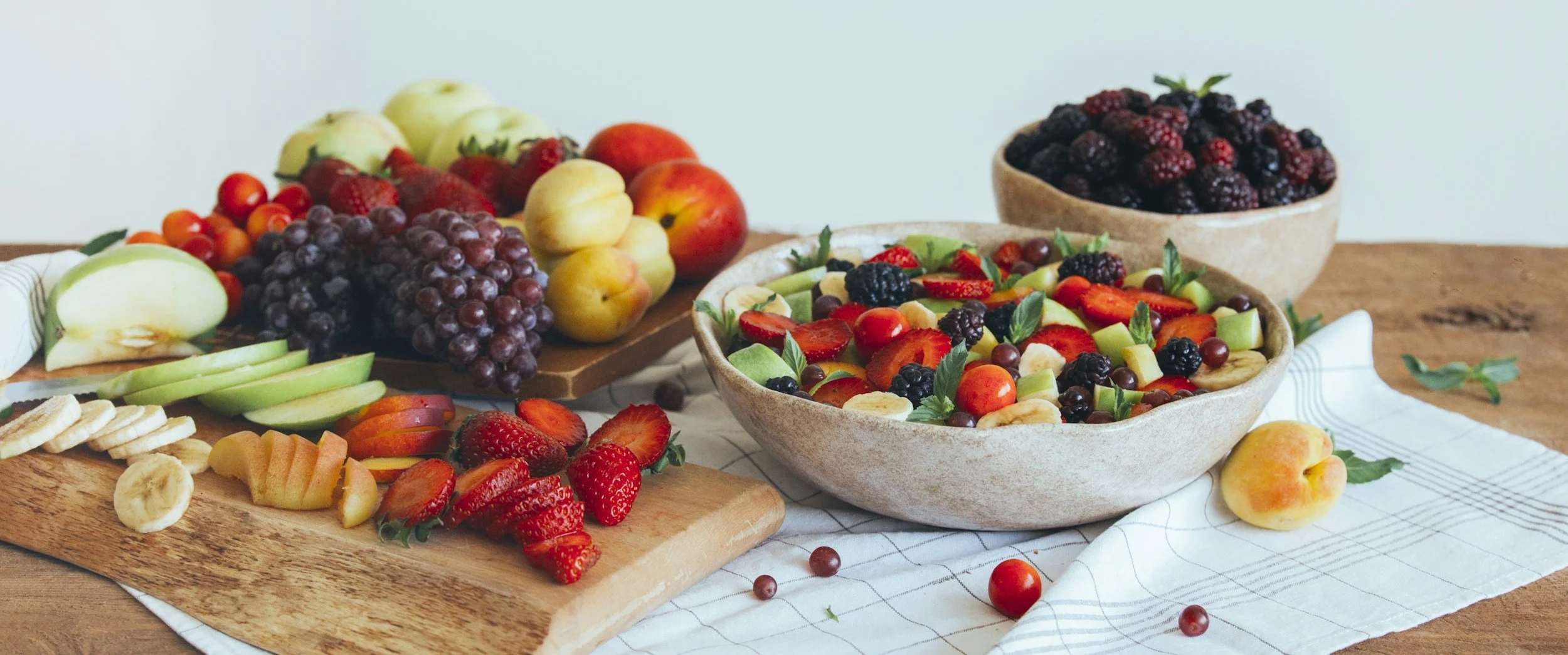
Did you know that you can reduce inflammation in your body by eating and avoiding certain foods in your diet?
An anti-inflammatory lifestyle focuses on nutrient-dense, antioxidant-rich foods that naturally interrupt the body's overactive inflammatory response. By shifting toward a beautifully balanced diet filled with colorful whole foods, healthy fats, and targeted lifestyle shifts, you can support cellular repair, reclaim your daily energy, and drastically lower your long-term risk of chronic illness.
What Foods Cause Inflammation?
Limit Saturated Fats (butter, whole milk, cheese, high fat red meat, skin in poultry)
Avoid Trans Fats (pre-packaged baked goods/snacks, flavoured coffee creams, etc.)
Pro-inflammatory Omega 6 foods (sunflower, soybean, vegetable, corn and safflower oils, etc.)
Hydrogenated oils/margarines
Refined carbohydrates (white breads/white flour and sugar, white bread products, white pasta/crackers, pastries, etc.)
Processed foods and meats (snack foods such as chips/crackers, some canned food, prepared frozen meals as well as deli meats, hot dogs, salami, bologna, etc.)
Red meats/fatty meats (burgers, steak, ribs, bacon, pork, sausage, etc.)
Sugars (added sugars, candy, etc.) and high fructose corn syrup
Sugary drinks (pop, sugar added juices)
Fast food, fried foods, etc.
Desserts – cookies, baked goods, ice cream - Reduce sodium intake - Gluten (if you have a sensitivity)
Dairy (enjoy in moderation and lower fat options) – greek yogurt is great
Artificial sweeteners, additives, colourings, etc.
Alcohol and caffeine
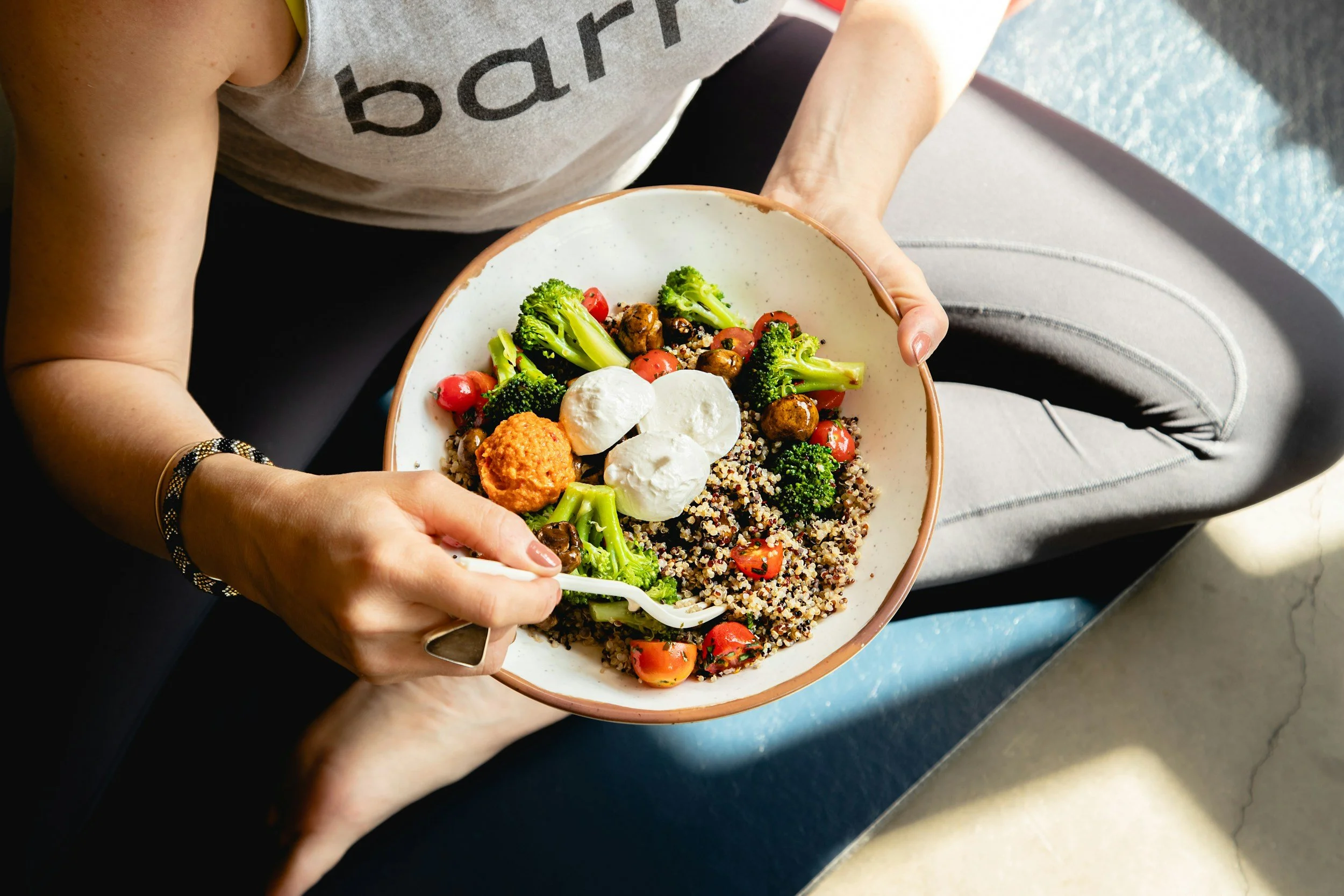
The Best Anti-Inflammatory Foods to Include in Your Diet
Foods rich in Omega 3 fatty acids such as fatty fish (salmon, sardines, herring, mackerel, anchovies, etc.), flax oil, flaxseeds, chia seeds, hemp seeds, walnuts, walnut oil, etc.
An Omega 3 supplement would also be beneficial (something high in EPA/DHA)
Foods rich in monounsaturated fats – extra virgin olive oil, sesame oil, avocado, nuts, natural nut butters and seeds.
Lots of fruits and vegetables (a variety of colours), which are rich in antioxidants and other compounds that will help to fight inflammation.
Fruit – apples, berries (strawberries, blueberries, raspberries, blackberries), grapefruit, lemon/lime, oranges/tangerines/nectarines, apricots, cantaloupe, mango, papaya, peaches, watermelon, grapes, cherries, pineapple, red grapes, etc.
Veggies – dark leafy greens (kale, spinach, collard greens), broccoli, cabbage, cauliflower, Brussels sprouts, asparagus, celery, tomato, sweet potato, squash, carrots, peas, garlic, green red pepper, alliums (onion, garlic, leek, scallions), parsley, thyme, asparagus, mushrooms, etc.
Legumes - black beans, chickpeas, kidney beans, navy beans, pinto beans, lentils, etc.
Green Tea
Dark Chocolate (high cocoa content – 75% or higher)
Increase your fibre intake – found in a lot of the foods above.
Whole grains, fruits, veggies, nuts/seeds, legumes.
Lean protein – fish, skinless poultry, eggs.
Some spices may also have anti-inflammatory properties – spice up your foods with things like basil, rosemary, cayenne pepper, thyme, ginger and turmeric.
Lifestyle Habits to Reduce Inflammation
Eat a healthy diet
Exercise more
Manage your stress levels
Drink lots of water
Get good quality sleep
Have a positive attitude
Stretching/yoga
No smoking
Moderate alcohol consumption
Maintain a healthy body weight
Read food labels
Watch portion sizes/servings
Cook more meals at home and reduce eating out
If you're struggling with inflammation or any inflammatory diseases/health issues, contact Thrive for program details and learn how to reduce inflammation in your body and to improve your overall health.