How Much Protein Do Women Need? A Guide for Every Stage of Life
Protein isn't just for athletes or people trying to build muscle. Protein is important for every woman, at every stage of life.
It supports muscle, metabolism, bone health, recovery, immune function, blood sugar balance and healthy aging. As women move through their 40s, perimenopause, and menopause, getting enough protein becomes increasingly important for maintaining muscle and strength.
The good news? You don't need a complicated diet. With a few simple habits, you can make protein a consistent part of your day.
Why Is Protein So Important?
Protein provides the amino acids your body needs to build and repair tissues and support many essential functions. Adequate protein helps support:
Muscle mass and strength
Healthy metabolism and body composition
Bone health
Exercise recovery
Satiety and appetite regulation
Blood sugar balance
Immune function
Healthy aging
Protein is particularly important when you're trying to lose body fat. When you reduce calories, adequate protein can help preserve lean muscle while you work toward losing body fat.
How Much Protein Do Women Need?
There isn't one perfect number for every woman. Your needs depend on your body size, age, activity level, muscle mass and goals. As a practical guide:
Life stage / goal Daily protein
20s–30s 0.5–0.7 g/lb
40s 0.6–0.8 g/lb
Perimenopause 0.6–0.8 g/lb
Menopause & beyond 0.6–0.8 g/lb
Strength training / active fat loss 0.7–0.9 g/lb
Very active women Up to ~1 g/lb
These are practical ranges, not rigid requirements.
You may have heard that women should aim for 1 gram of protein per pound of body weight. This can be an appropriate higher-end target for some very active women, particularly those strength training or trying to maintain muscle while losing body fat, but it's not necessary for everyone.
What does this look like?
For a 150-lb woman:
0.6 g/lb = 90 g/day
0.7 g/lb = 105 g/day
0.8 g/lb = 120 g/day
0.9 g/lb = 135 g/day
For many active women in midlife, somewhere around 90–120 g per day can be a practical starting point, with individual needs varying.

Your 40s, Perimenopause & Menopause
This is a time when protein deserves more attention.As women move through midlife, hormonal changes, aging and changes in activity can make maintaining muscle more challenging. Preserving muscle is important for strength, metabolism, mobility and healthy aging.
This is why protein and resistance training work so well together.
Protein supplies the amino acids your muscles need, while resistance exercise provides the stimulus to maintain and build muscle.
Aim for approximately 0.6–0.8 g of protein per pound of body weight per day.
If you're regularly strength training or actively trying to lose body fat, 0.7–0.9 g/lb may be more appropriate.
The goal isn't simply to eat more protein. It's to support your body with a combination of:
Protein + strength training + fibre-rich foods + healthy fats + adequate sleep and recovery.
How Much Protein Should You Eat at Each Meal?
One of the easiest ways to improve your protein intake is to spread it throughout the day rather than eating most of it at dinner. A simple target is:
Breakfast: 25–30 g
Lunch: 25–35 g
Dinner: 25–35 g
Snacks: 10–20 g as needed
For larger women or those who strength train regularly, 30–40 g per meal may be appropriate.
You don't need to be perfect. The goal is simply to include a meaningful source of protein at every meal.
What Does 25–30 g of Protein Look Like?
Animal-based protein sources:
3–4 oz chicken or turkey
3-4 oz salmon or other white fish
3–4 oz lean beef
2 eggs + ½ - ¾ cup egg whites
Greek yogurt or cottage cheese (~3/4 – 1 cup)
Canned salmon or sardines (1 can depending on size)
Tuna (1 can depending on size)
Protein Powder (1 scoop)
Plant-based protein sources to consider:
Tofu (~1 ½ cup depending on type).
4 oz Tempeh
Edamame
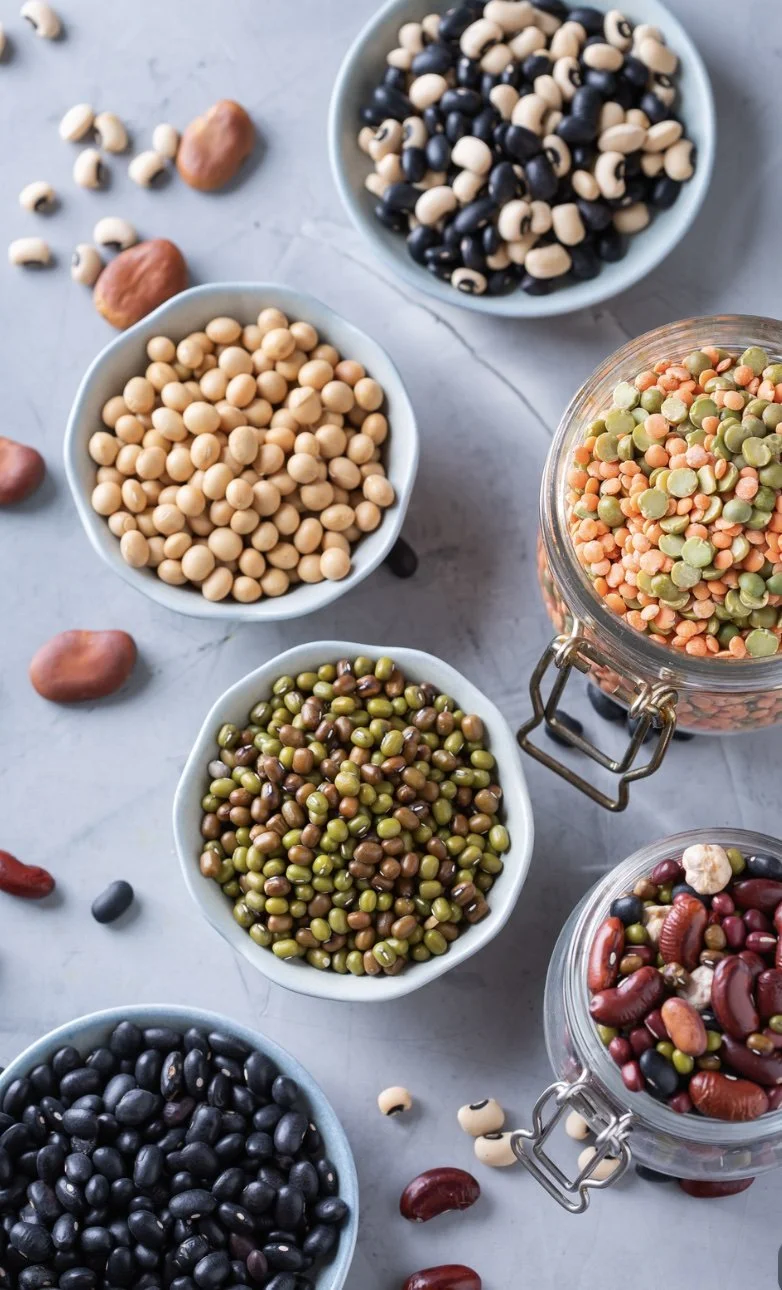
Lentils
Quinoa
Chickpeas and
Soy milk
Pea or soy protein powder
Hemp or pumpkin seeds
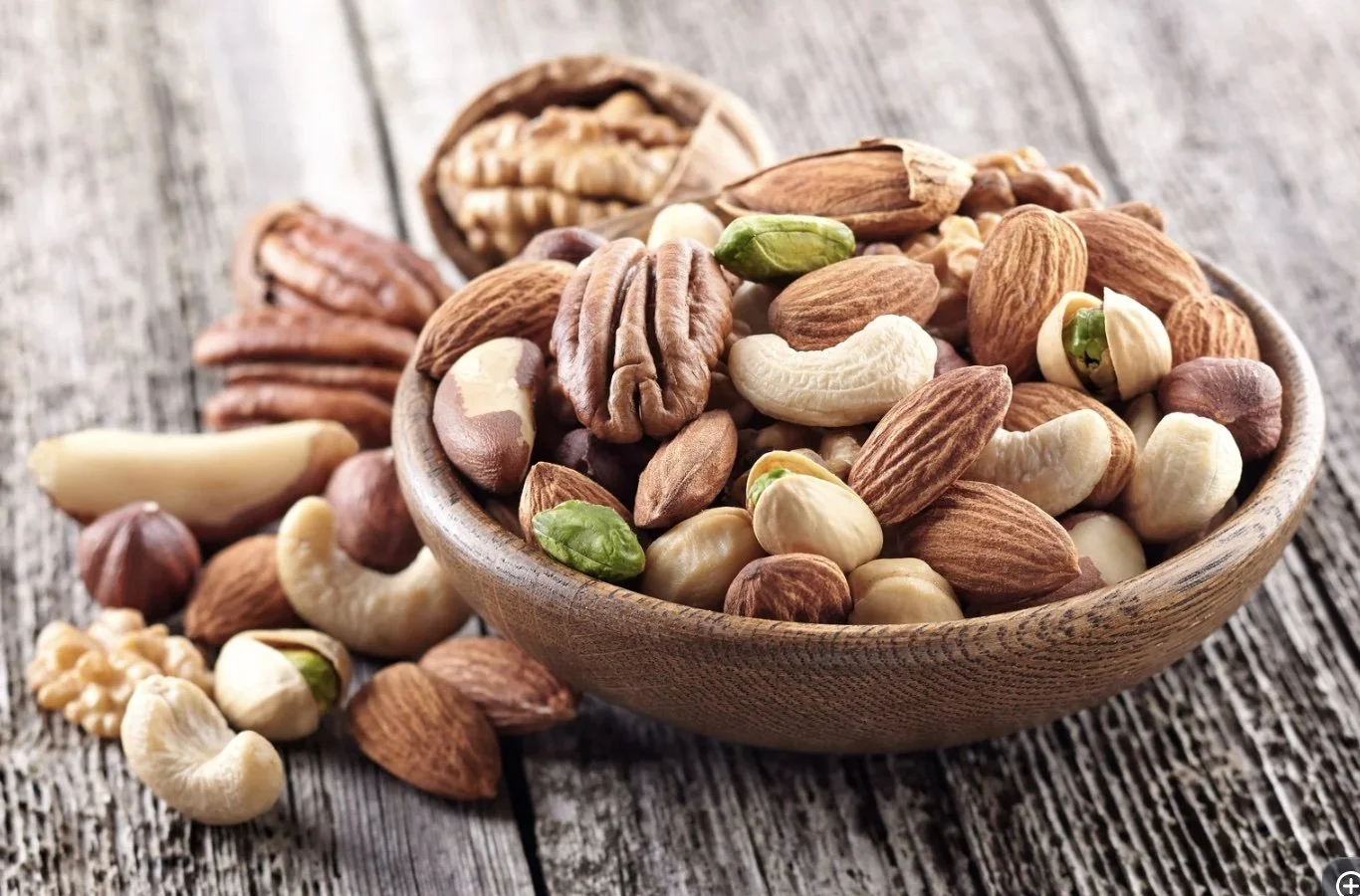
Nuts
If you don't eat dairy or meat, you can still meet your protein needs. You may simply need to be more intentional about including protein-rich foods throughout the day.
Easy Ways to Add More Protein to Your Day
You don't need to completely change your diet. Start by asking:
"Where is the protein in this meal?"
Breakfast
Try:
Eggs + egg whites + vegetables + whole-grain toast
Greek yogurt + berries + chia or hemp seeds
Protein smoothie with berries, spinach and protein powder
Lunch
Try:
Chicken or turkey wrap
Tuna or salmon salad
Lentil or tofu bowl
Leftover chicken or fish with vegetables and quinoa
Dinner
Build your meal around protein + vegetables + high-fibre carbohydrate + healthy fat. For example:
Salmon + roasted vegetables + quinoa
Chicken + sweet potato + broccoli + avocado
Tofu + vegetables + brown rice
Snacks
Try:
Greek yogurt + berries
Cottage cheese + fruit
Hard-boiled eggs
Apple + nut butter
Edamame
Protein smoothie
Hummus + vegetables
Why Does Protein Matter For Weight Loss?
If you're trying to lose weight, protein can be particularly helpful.
Rather than simply eating less, focus on making your food more nutrient-dense and protein-rich.
Adequate protein can help you feel satisfied while supporting the preservation of lean muscle. Pairing protein with resistance training is especially important if your goal is to lose body fat while maintaining a strong, healthy body.
Instead of asking:
"How little can I eat to lose weight?"
Ask:
"How can I make the food I'm eating more nutritious and protein-rich?"
Don't Forget the Rest of Your Plate
Protein is important, but it shouldn't replace the rest of your nutrition.
Aim for a balanced diet that includes:
Protein: chicken, fish, eggs, yogurt, tofu, beans and lentils
Fibre-rich carbohydrates: vegetables, fruit, oats, quinoa, potatoes and whole grains
Healthy fats: avocado, nuts, seeds, olive oil and fatty fish
A healthy diet isn't about eating as much protein as possible. It's about getting enough protein while also giving your body the fibre, healthy fats, vitamins and minerals it needs.
Start With Simple Habits To Get More Protein
You don't need to obsess over protein or count every gram.
Start with these simple habits:
Include protein at every meal
✔ Aim for approximately 25–35 g at each main meal
✔ Increase your intake as needed based on your activity and goals
✔ Pair adequate protein with resistance training
✔ Pay particular attention to protein during your 40s, perimenopause, menopause and beyond
Protein isn't just about building muscle or looking toned.
It's about strength, recovery, metabolism, bone health and healthy aging—and helping you maintain the strong, capable body you want for years to come.
If you’re looking for more guidance and education on how to balance your nutrition and to get into a healthy routine, book your free 20 min nutrition consult to learn more about Thrive’s online programs and how we can help you reach your goals.